A broken neck despite the helmet
Five years of building Tocsen: a retrospective after the sale
A friend's mountain-bike crash started this company. Five years of Tocsen later, and two months after handing it on, this is the story as I remember it.
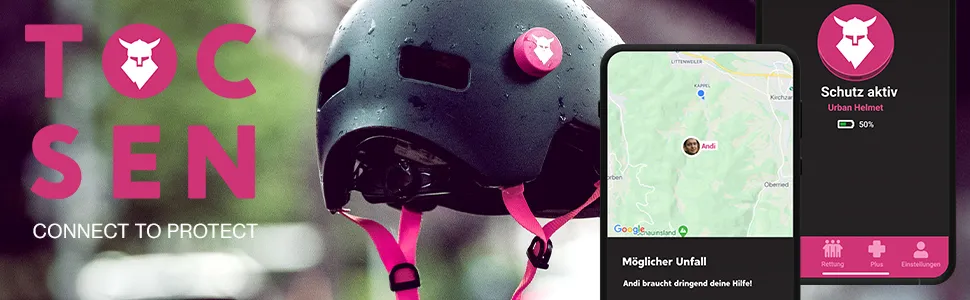
Tom can’t remember his crash. An ordinary fitness lap on the mountain bike, alone, nothing radical; then a gap. Two hikers found him, called the ambulance and handled everything else, because Tom knew neither the day of the week nor where he was. He had broken a vertebra in his neck. The helmet had done its job, and it had not been enough. “Nochmal richtig Glück gehabt, dass jemand vorbeigekommen ist,” he says in our first campaign video: really lucky that someone happened to pass by.
We were a circle of riding friends, and that sentence would not let us go. Every one of us rode alone sometimes. New cars had been required to carry eCall since 2018; a cyclist unconscious in the woods had luck. Alex filmed an interview with Tom, we decided to close the gap ourselves, and the division of labour fell out the way friendships decide these things: Alex started soldering prototypes, Andi rode the trails and talked to other bikers, and I came in to build the software, ending up leading the app and backend team.
In late 2018 we put a video of Tom, the three of us, and a 3-D print on Startnext. My closing line was that not sharing the campaign was practically unterlassene Hilfeleistung, failure to render assistance. 398 people backed us with €31,055, more than double the goal, which bought exactly one unglamorous thing: the injection-molding tool for the housing. That is what a hardware company looks like at the start. A small pink puck, three centimeters across, glued to any helmet, and this chain behind it:
EMERGENCY CHAIN · TOCSEN
The second half of that chain was always the real product. Depending on the terrain, mountain rescue can take an hour to reach you; other riders are already out there. The sensor turned a crowd of strangers into a rescue network before the ambulance had even started rolling.
Then came the strange, wonderful middle years. We raised a mid-seven-figure sum in seed and venture money on top of the crowdfunding. We built the sensor almost entirely within a day’s drive: boards from a smoke-detector line in the Black Forest, housings from Nuremberg, packaging with the local Caritas workshops. We lost a prime-time TV duel on ProSieben with 47% of the audience vote, beaten by an inflatable rescue buoy. And it stopped being an accessory: uvex and Alpina integrated the sensor into their helmets at the factory, Ekoï followed, and in 2022 the little pink Viking from our logo rode the Tour de France in the peloton. By last autumn we were fourteen people, with around 100,000 sensors on heads and 30,000 riders in the app.
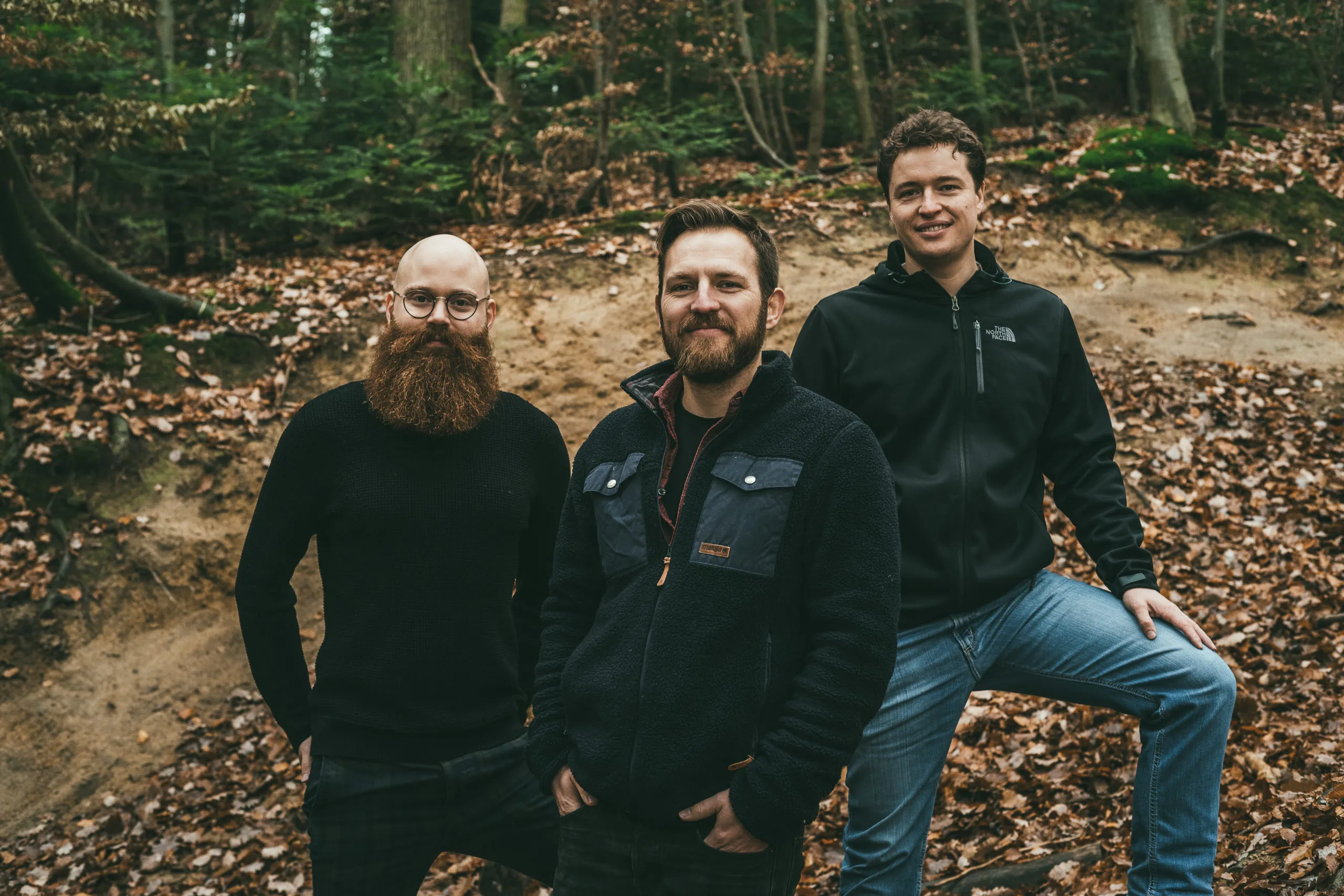
The best part, though, was the team: outdoor people to the last desk, all of them there because the thing we made mattered. In five years nobody ever had to explain to a new hire why the work was worth doing. The Tocsen story did that on day one.
A safety product keeps its success invisible: the best outcome it can produce looks exactly like nothing happening, and you learn to live in that quiet, the way a smoke detector does. And a hardware startup has to keep raising, which after 2020 meant pitching through a pandemic into a chip crisis, with components allocated months out. We looked hard for a Series A. We did not find one.
So we found something better than a slow ending. In March, Tocsen joined Aleck, whose helmet audio and group comms live one thought away from crash detection. Our pink Viking moved into their logo; I moved with the technology and am now CTO of the group. Last month the sensor launched in the US and Canada, and the feature carried the mission’s name at last: Heroes Nearby. Somewhere a rider is out alone right now, and the two hikers no longer have to happen to pass by.